


Nkomazi
Conservation
Recognized as an UNESCO World Heritage Site,
Nkomazi represents a sanctuary of untamed beauty, rich biodiversity, and cultural heritage.
From its rugged landscapes to its rare and iconic wildlife, every element of Nkomazi tells a story worth protecting.
Through dedicated efforts in wildlife protection, habitat restoration, and sustainable tourism, Nkomazi strives to ensure that this remarkable wilderness remains unspoiled for generations to come.


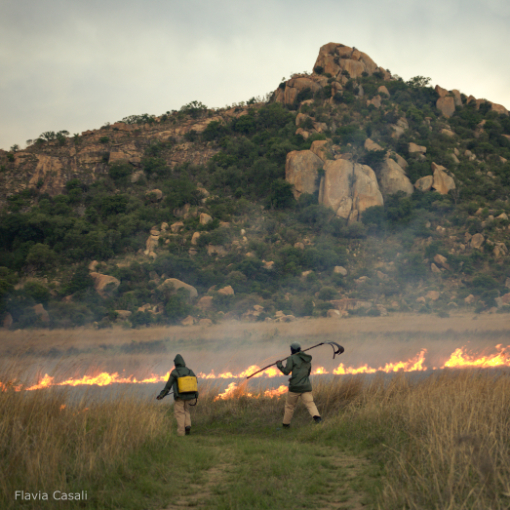
Our conservation effort include a variety of activities:
- Wildlife monitoring and data collection.
- Wildlife population management.
- Veld assessment.
- Fire management.
- Fence maintenance.
Nkomazi Conservation
Wildlife Monitoring
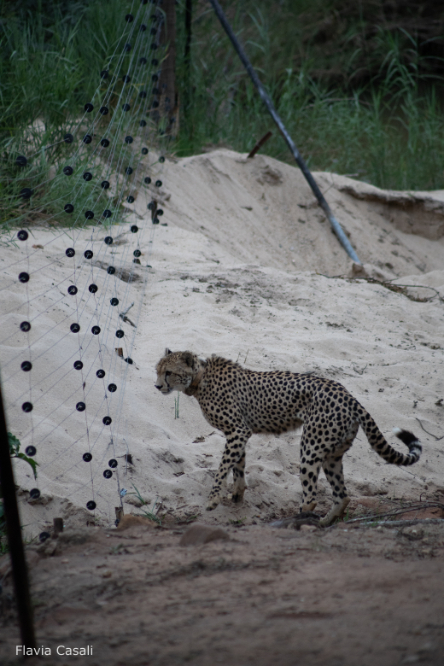
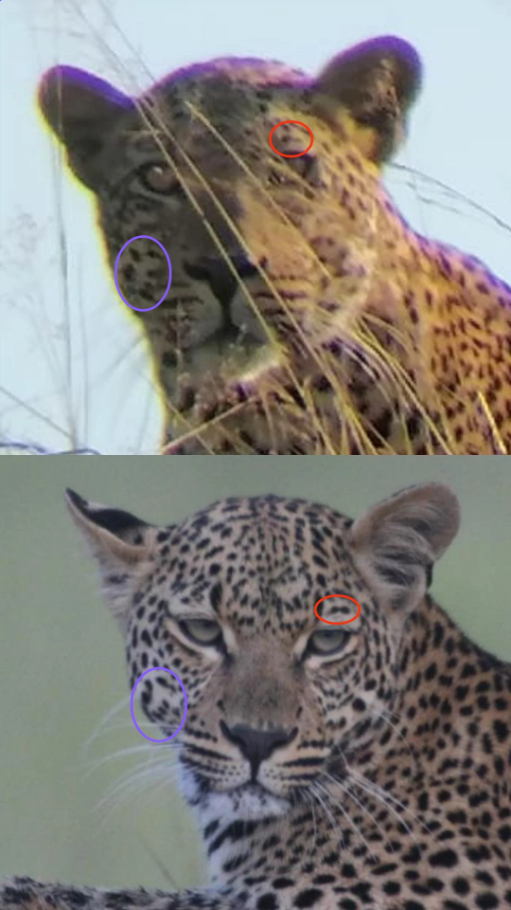
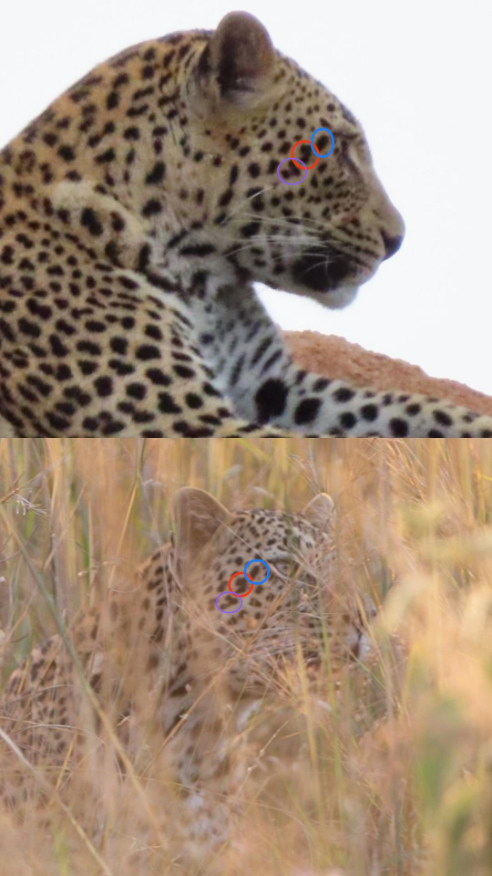
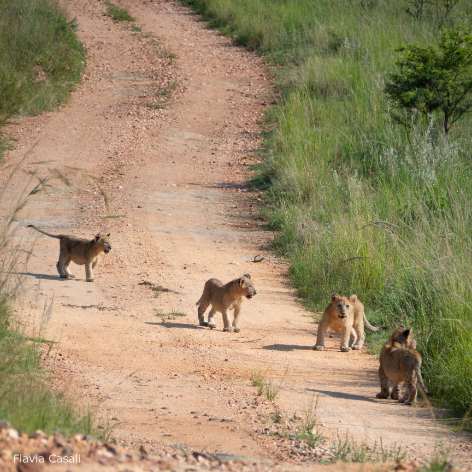
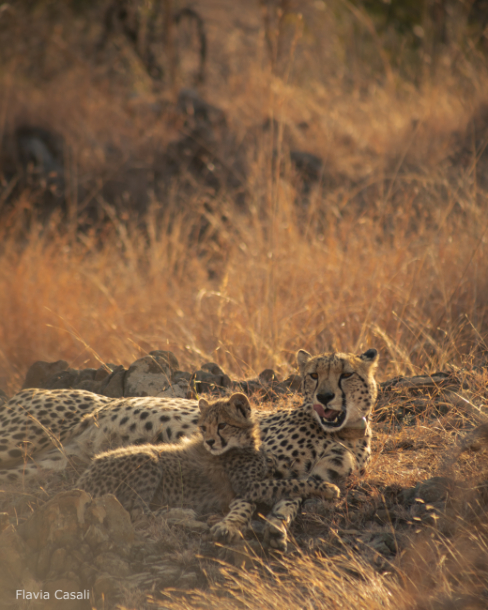
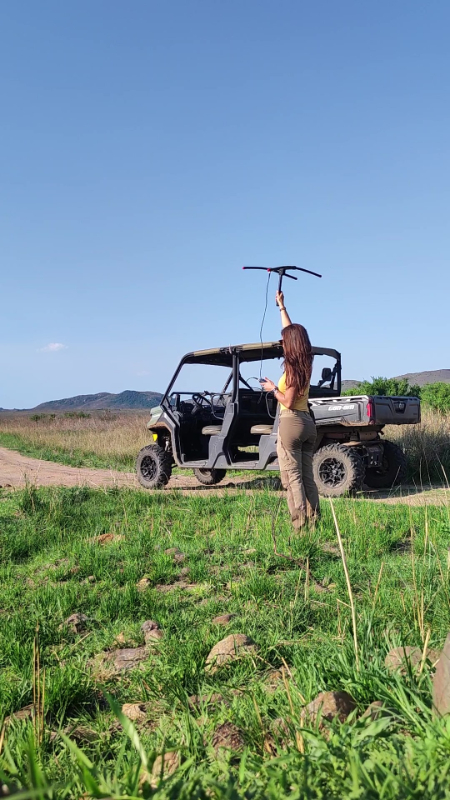
Tracking devices are essential tools in modern wildlife conservation and give us essential insight into the lives of wild animals. By fitting individuals with lightweight GPS collars, we can easily track their movements, monitor their health, and understand how they interact with each other and their environment. Collar data can help detect and monitor breeding success, prey preferences and play a role in avoiding human-wildlife conflict as well. These devices have a limited lifespan, which means they must be periodically replaced.

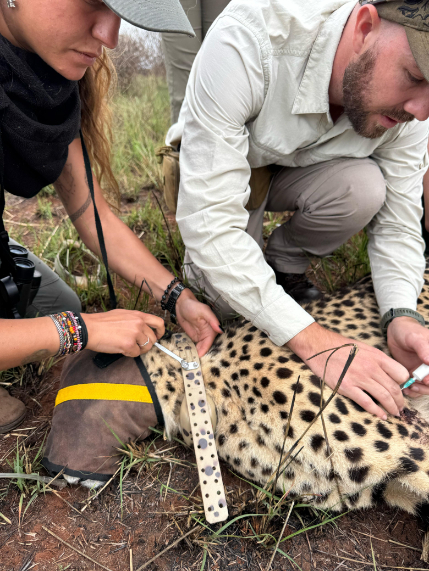
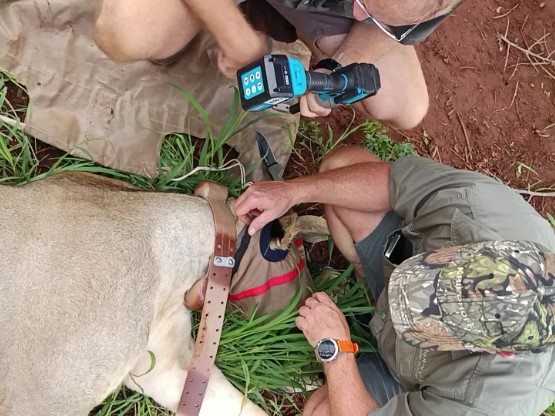
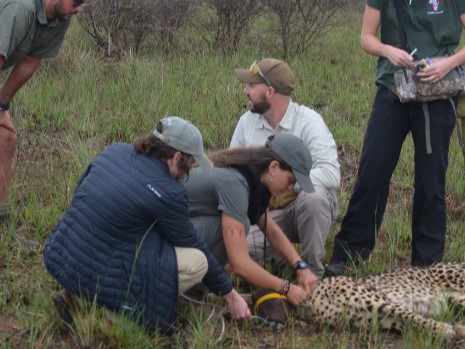


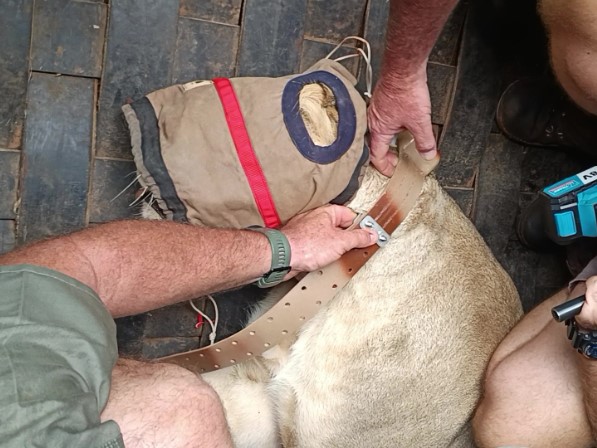


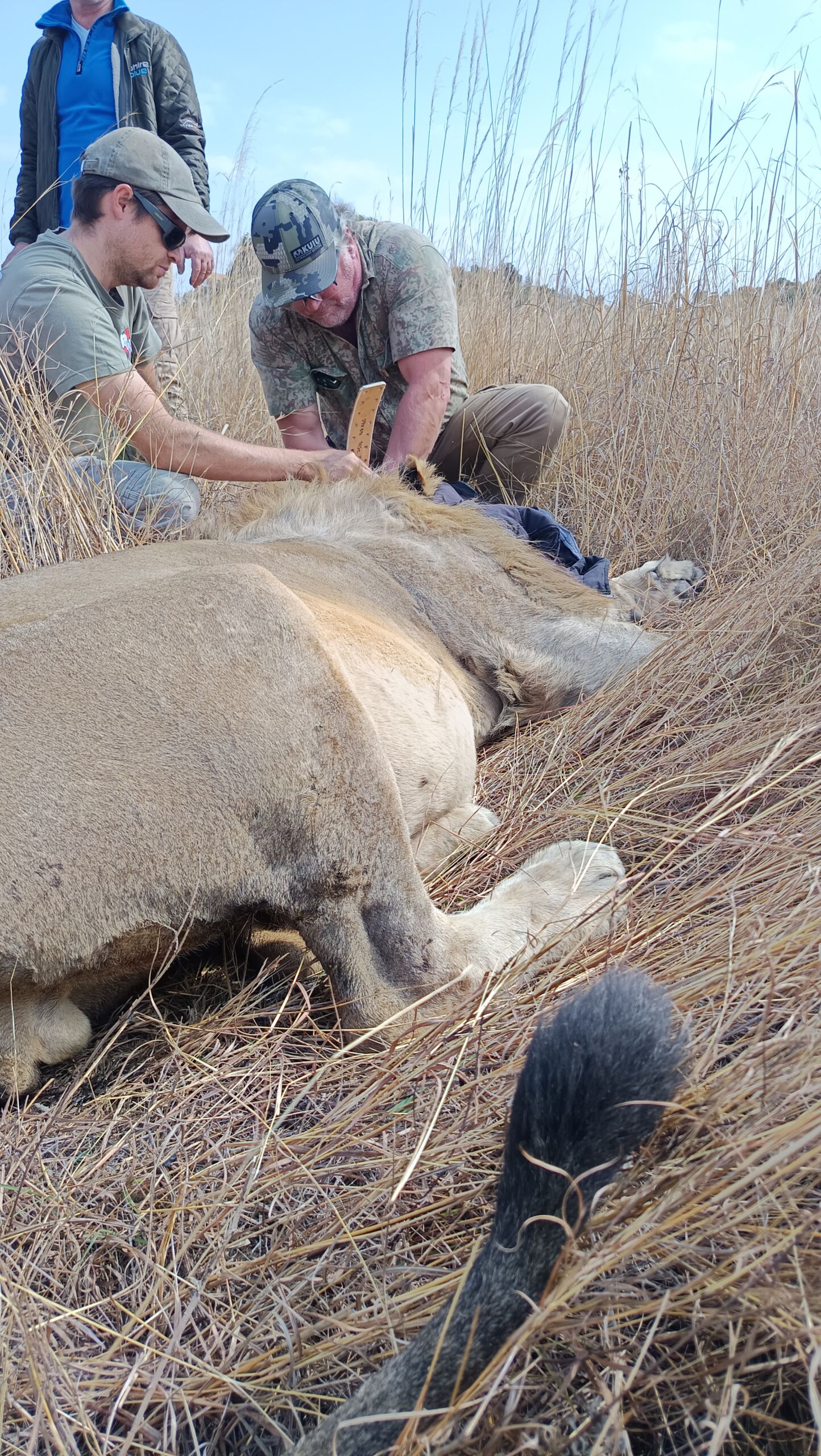


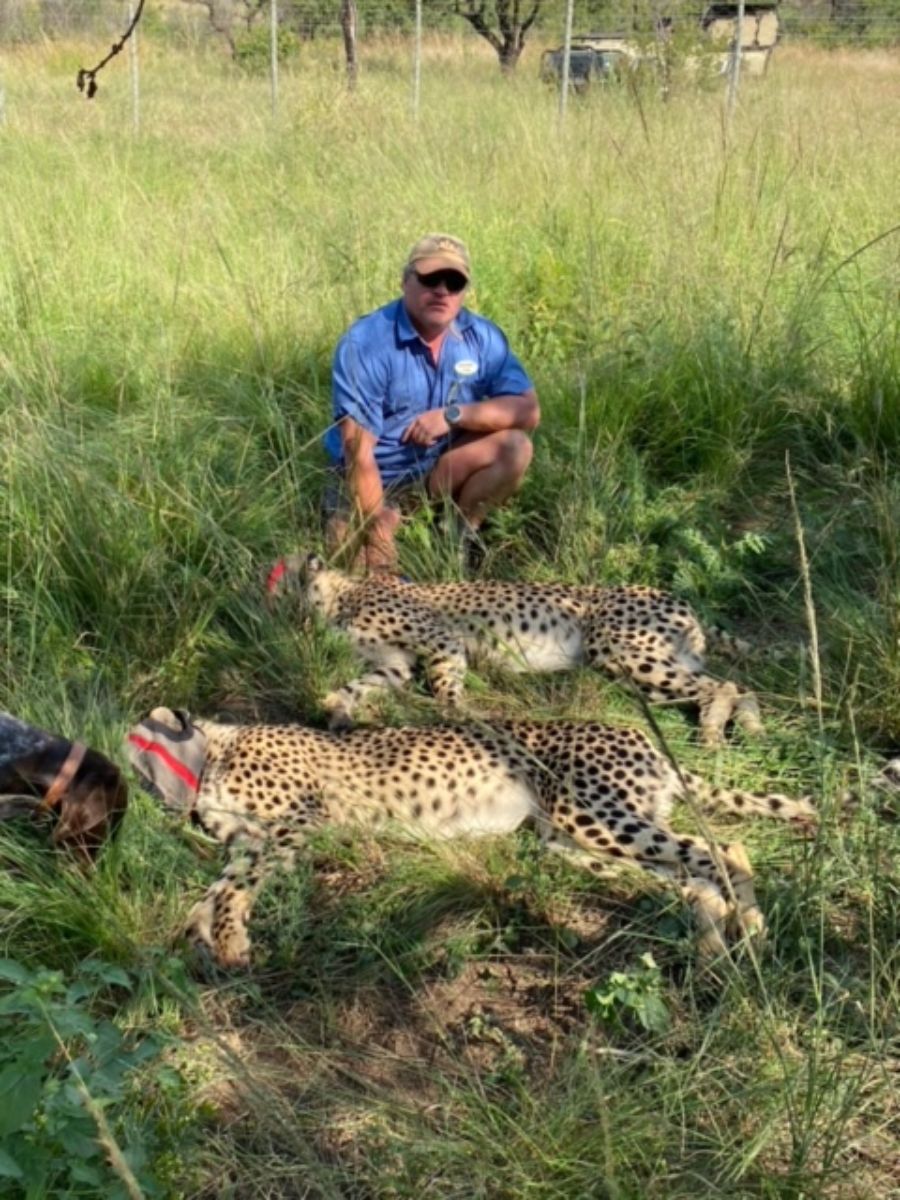


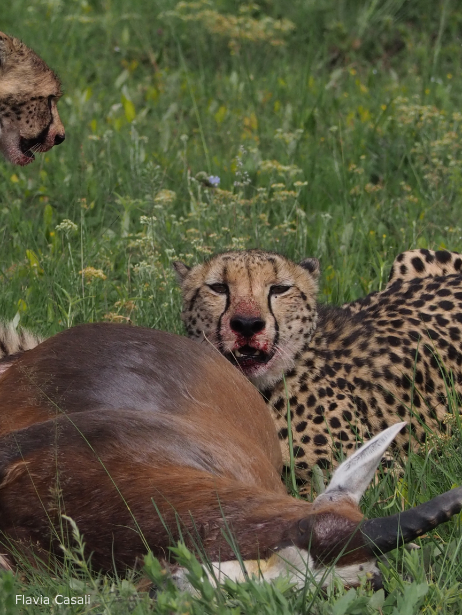
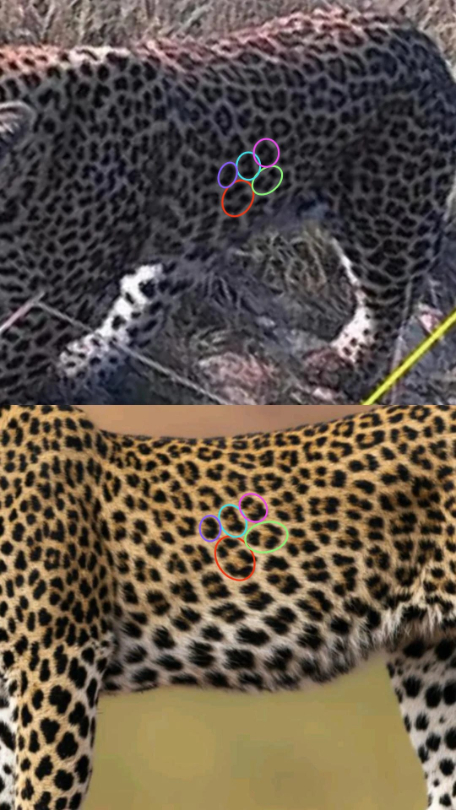
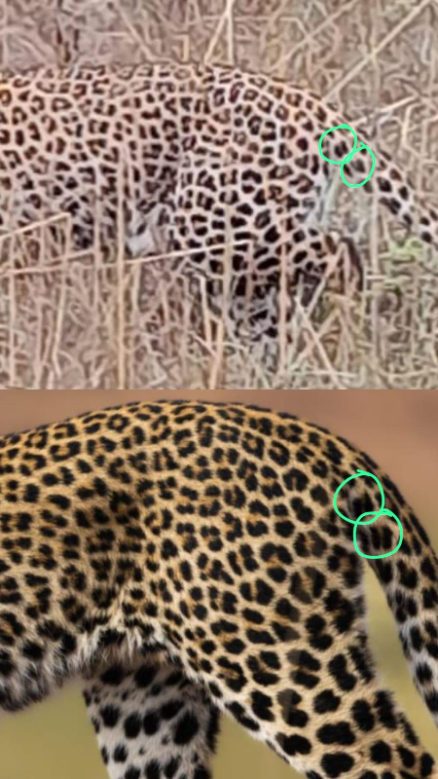
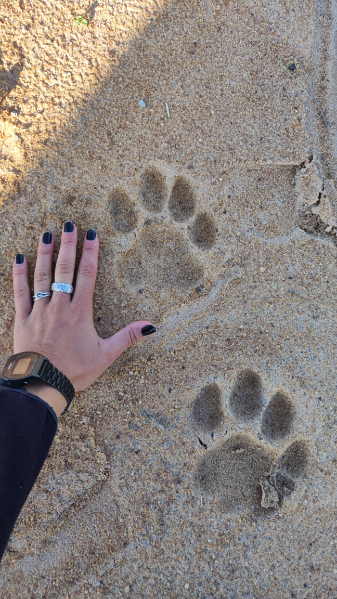
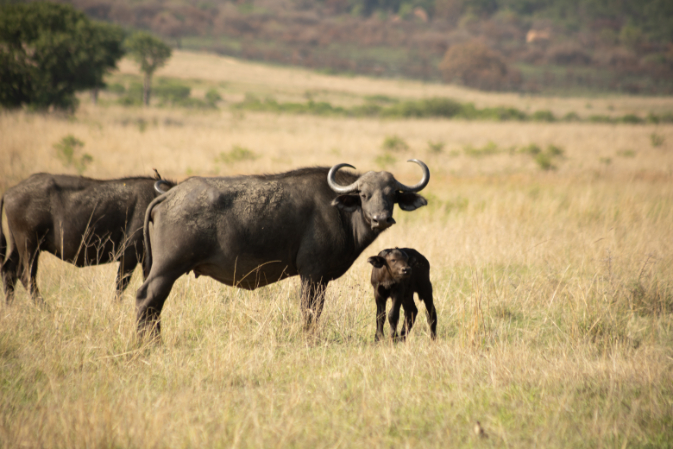
Our dedicated wildlife monitor spends most of their day in the field tracking and observing animals in their natural environment. Their role is to keep an up-to-date IDkit for all priority species, collect data about prey preferences, mortality, mating, pregnancy and parenting behaviour, as well as offspring success. These observations provide valuable data that are essential for making informed decisions about the effective management of the reserve.











Camera Traps
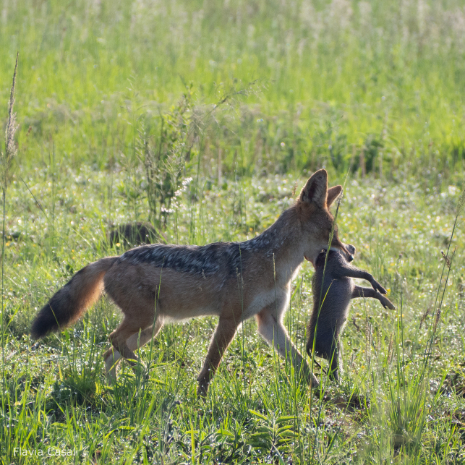
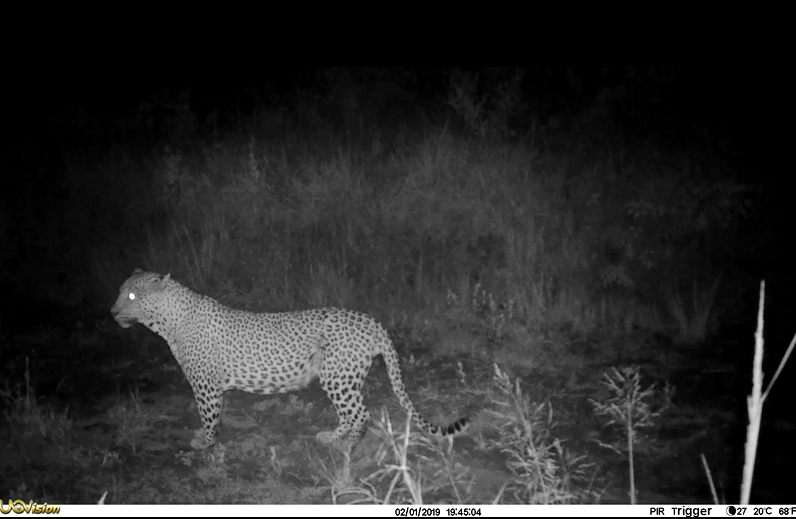
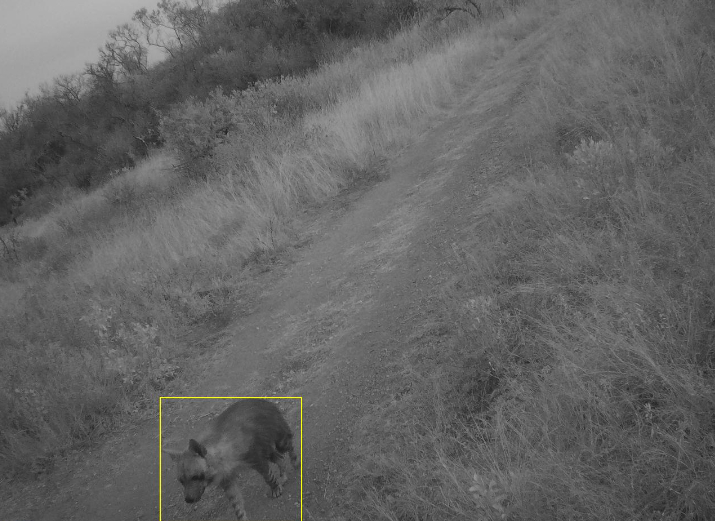
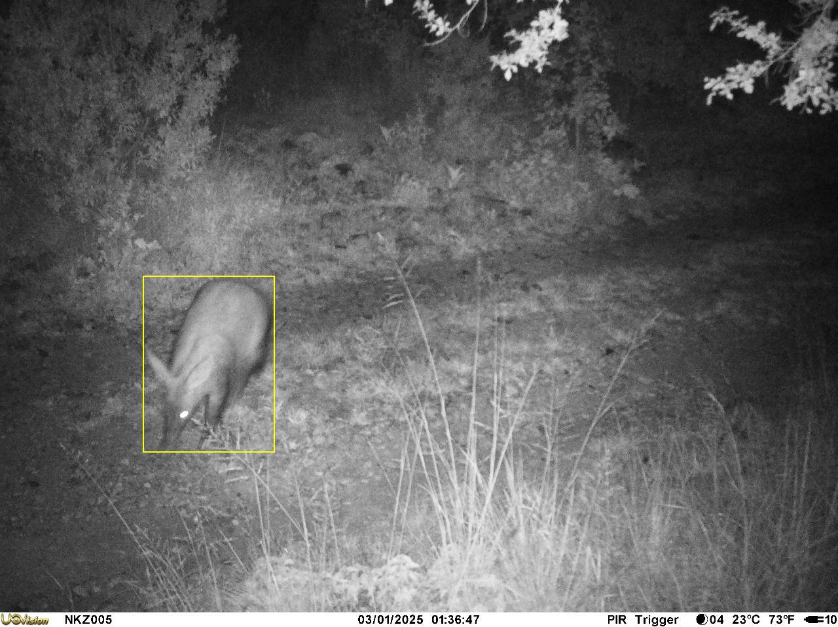
Camera traps represent an amazing non-invasive tool to monitor and observe wildlife without interfering with their behaviour. These motion-activated devices are a crucial tool to monitor uncollared animals and to observe elusive and/or nocturnal animals like brown hyenas and aardvarks. They have also proven especially valuable for documenting rarely seen behaviors and capturing images of young cubs at an early age. Time and again, camera traps reveal fascinating moments that would otherwise go unnoticed. Lastly, they are a powerful resource in terms of security, when positioned along the fence line.





Nkomazi Conservation
Wildlife Population Management
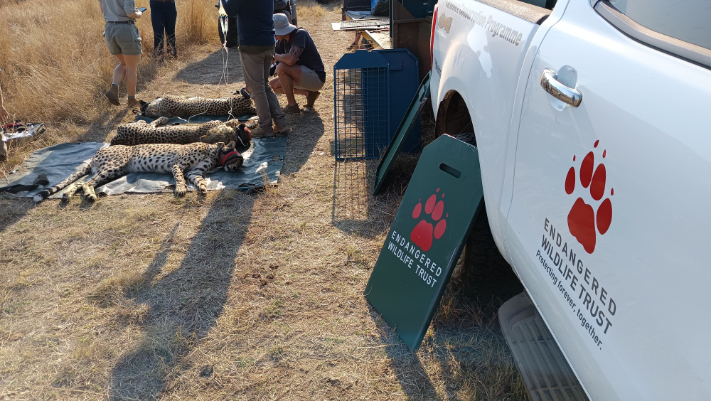
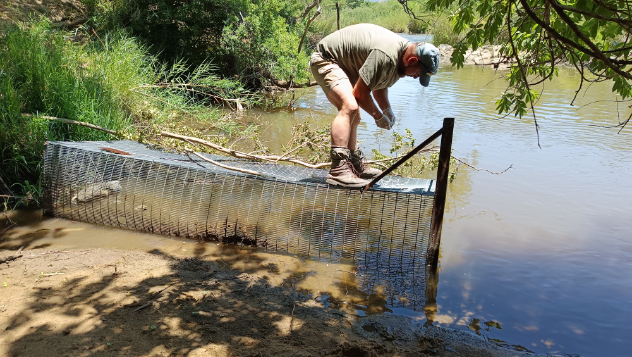
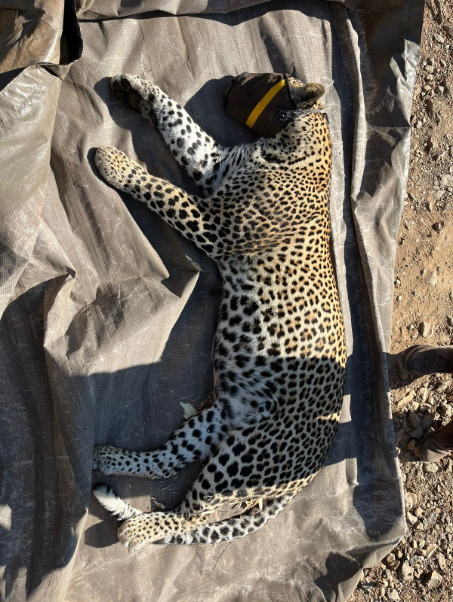
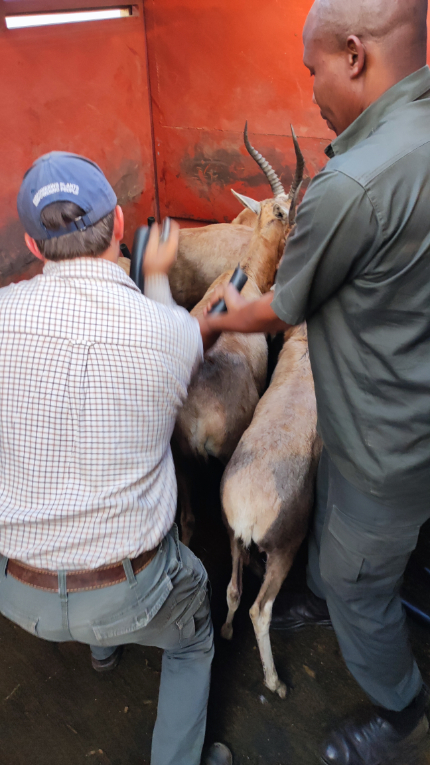
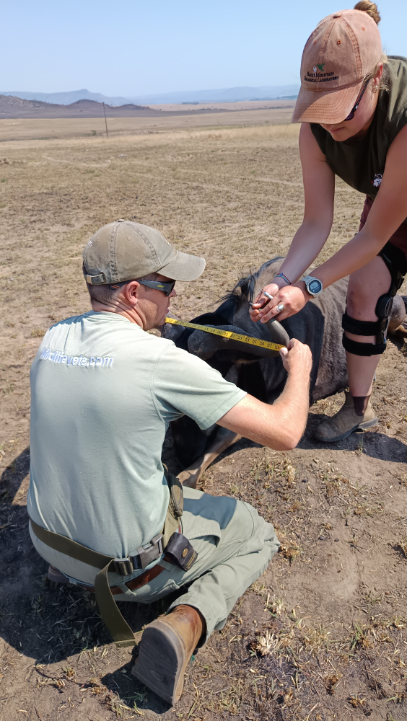
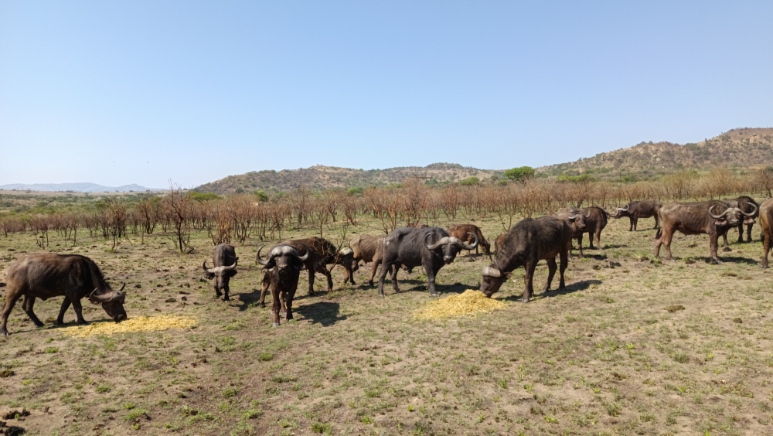
Our predator population is very successful and source of pride for Nkomazi, but to keep our ecosystem healthy and successful we have to make plans ahead. Translocations and relocations help to keep a sustainable prey-predator balance and prevent in-breeding. All our predator relocations are coordinated in partnership with the Endangered Wildlife Trust (EWT), South Africa’s leading conservation organization, and are guided by science-based data to ensure a long-term success. To maintain a healthy ecosystem, the relocation and introduction of general game species is also essential, supporting both predator populations and overall biodiversity.










Nkomazi Conservation
BirdLife South Africa – Secretarybird’s chicks ringing
Secretary birds are the only members of their family, Sagittariidae, and are endemic to sub-Saharan Africa, meaning they are found nowhere else in the world.
The species Sagittarius serpentarius was uplisted from Near-Threatened to Vulnerable in 2011 and further to Endangered in 2020. The primary threat to their survival is habitat loss. Therefore, the discovery of four secretary bird nests on our property was a cause for celebration and pride, as it demonstrates the reserve’s success in providing a safe haven for wildlife.
Dr. Melissa Whitecross and Cassie Carstens from BirdLife South Africa visited the reserve and successfully ringed two chicks from one of the nests. The rings contain unique codes that serve as identification for the birds. The procedure took less than 30 minutes and included routine measurements for scientific purposes. They confirmed our excitement about finding such a significant number of nests on the property. The chicks in the other nests were too young to be handled so we plan to organize more visits at a later time. We are extremely proud of this collaboration and for the opportunity to contribute to the conservation of this magnificent bird, symbol of the African grassland.


